
Private GCSE Exams: Costs, Fees & Booking Guide
Discover the costs and strategies of booking Private GCSE Exams: Costs and Considerations. Learn to navigate exam centres, fees, and requirements for private candidates to achieve your qualification successfully.
EXAMS
Nill
2/5/20263 min read

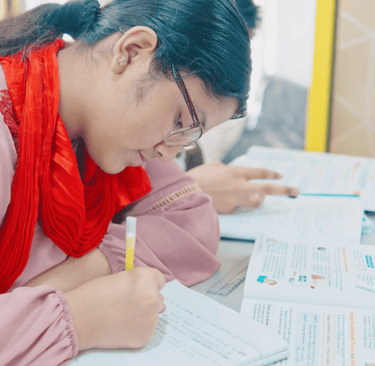
Private GCSE Exams: Costs and Considerations
Are you an adult learner needing a specific GCSE for a new career, only to find the process of booking an exam feels impossibly confusing? You're not alone. The single biggest source of stress for private candidates is untangling the web of organisations involved, especially when considering online GCSE courses with exam centre access. Clarity begins by understanding exactly who does what.
Think of it as building your own support team. Your Learning Provider is the 'coach' who teaches you the material. The Exam Board, such as AQA or Pearson Edexcel, is the 'rule-maker' that writes and marks the exam. Finally, the Exam Centre is the 'stadium'—the physical venue you must find and pay to sit the test in. For external candidates, these three roles are almost always separate.
In practice, this means buying a course does not automatically register you for the exam. You are personally responsible for finding an approved centre, registering by their deadline, and paying the private candidate GCSE exam fees directly to them. This guide breaks down that process, helping you budget accurately and navigate the system with confidence.
What's the Real Cost? A Breakdown of Private GCSE Exam Fees
When figuring out how much it costs to sit a GCSE privately, it helps to know you’re paying for two separate things. First is the Exam Board Fee, the direct cost for the exam paper and its marking. The second, and usually larger, cost is the Centre Administration Fee. This is what the exam centre charges for booking your place, handling paperwork, and providing the venue and invigilators on the day.
While exam board fees are fairly standard (often £40-£50), centre administration fees can vary dramatically. This means the total cost for a single private candidate GCSE exam can range anywhere from £150 to over £300, depending entirely on the centre. Comparing different centres is the single most effective way to manage your costs.
Beyond these two main charges, watch out for potential hidden costs. Registering after the deadline will almost certainly incur a significant late fee. Additionally, subjects that require practical assessments, like sciences, often carry extra charges to cover lab time and materials. With this cost structure in mind, you can find a centre that fits your budget.
Step-by-Step: How to Find and Register with an Exam Centre
The best place to find a private GCSE exam centre is the official source. The Joint Council for Qualifications (JCQ), which represents all major UK exam boards, maintains a list of approved centres. A quick search for the “JCQ private candidate centre list” will lead you to their database. Because prices vary so much, your goal should be to contact at least three different centres from this list to compare their services and fees.
When you get in touch, being prepared with the right questions is crucial. To register for GCSE exams independently, you need to confirm three key things with any potential centre:
What is the total fee for your specific subject, including their administration charge?
Can they host your chosen subject and exam board (e.g., AQA Biology)?
What is their final deadline for entry?
This last point is critical. For summer exams, you will likely need to register by January or February, with many centres closing their lists even earlier in the autumn. Acting early is the best way to secure your place without facing massive late fees.
The Coursework Trap: Why You Should Choose 'Exam-Only' Subjects
Choosing a subject has one major trap: coursework. Officially called Non-Exam Assessment (NEA), this is project work needing a teacher’s supervision. Since exam centres only run exams, they simply can't accommodate this. The GCSE coursework requirement is a huge barrier for private students, and centres will almost always refuse entry for these subjects, no matter the fee you are willing to pay.
To avoid this, check the 'subject specification' on the exam board’s website (AQA, Edexcel, etc.). This official document confirms if a qualification is 100% exam-based. Subjects like Maths are typically safe, which is why many who retake GCSE maths as an adult succeed this way. The best exam boards for private candidates offer a good selection of these exam-only choices.
For subjects like Science, which traditionally require practicals, consider an International GCSE (iGCSE). These are globally recognised qualifications that often have an exam-only option for Biology or Physics. This clever alternative removes the practical work barrier entirely, giving you far more choice and a clear path to your qualification.
Your Final Checklist: 5 Questions to Ask Before You Pay for Your GCSE Exam
To turn this knowledge into action, use this checklist when contacting potential exam centres. It will help you handle GCSE exam booking confidently and ensure there are no surprises.
Your Vetting Checklist:
What is the total fee, including exam board costs?
What is your registration deadline and what is the late fee? (Crucial for avoiding missed private GCSE entry deadlines).
Can you confirm the exact exam board and subject specification code you will use?
Are there any requirements for me to use a specific tutor or learning provider?
How and when will I receive my results and certificate?
Armed with these questions, the process becomes a straightforward task. You are now an informed customer, equipped to find a centre that fits your goals and budget and to confidently take the next step toward your qualification.
Excel Tutors
Empowering young learners to achieve academic excellence through tuition.
Excel Tutors is a Limited Company in England and Wales with registration number 07417709.
© 2026. All rights reserved by Excel Tutors.
Designed, Developed and Maintained By Blueprint Design Lab