
How to Choose the Right GCSE Tutor: A Parent's Guide
Discover how to choose the right GCSE tutor with our comprehensive guide. Learn key steps for online or in-person options to boost your child's confidence and grades.
PRIVATE TUITION
Rehan
2/7/20264 min read

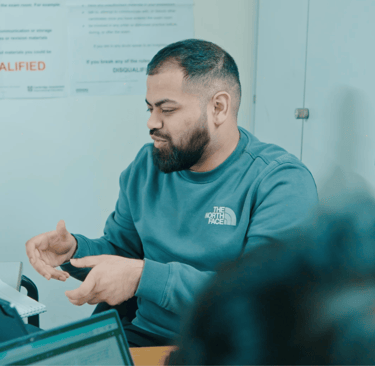
How to Choose the Right GCSE Tutor
Watching your child struggle with their GCSEs is stressful. You want to help, but choosing a tutor can feel like another high-stakes exam. This guide simplifies the process into manageable steps, helping you find the right support for your child without the guesswork.
Many parents discover that effective tutoring isn’t just about exam preparation; it's about rebuilding confidence. A student who feels more capable is more likely to ask questions in class and tackle difficult problems, which naturally leads to better grades. This shift in mindset is the real goal.
Making this important decision comes down to three key areas: defining your child’s needs, vetting the tutor’s credentials, and checking the personal fit. Here's how to approach each one so you can make your choice with complete peace of mind.
Online vs. In-Person Tutoring: Which is Best for Your Child?
One of the first decisions you'll face is whether to look for a tutor online or someone who can come to your home. There’s no single right answer, but you can narrow down the options by thinking about your child’s personality and your family’s schedule.
Consider how your child learns best. In-person tutoring can be brilliant for students who thrive on face-to-face interaction or who get easily distracted by screens. For many others, the flexibility and wider choice of specialists available through online tutoring make it the more practical option. Ultimately, the debate comes down to what genuinely works for your household. Will another journey in the evening add more stress, or would a focused session at the kitchen table be a welcome break?
One-to-One vs. Group Tuition: Decoding the Best Format for GCSE Success
Deciding between group GCSE tuition vs one-to-one comes down to your child's specific needs and learning style. One-to-one sessions offer a completely personalised experience, allowing a tutor to pinpoint and fix individual knowledge gaps. This focused approach is ideal for a student who has fallen significantly behind or needs tailored GCSE exam preparation techniques for a tricky topic.
However, group tuition can be a surprisingly effective and budget-friendly choice. Working alongside peers shows your child they aren't the only one finding a subject difficult, which can be a huge confidence booster. These small-group settings are often more affordable, helping to manage the average cost of GCSE private tuition while still providing expert guidance.
Your Non-Negotiable Checklist: 3 Things to Verify Before Hiring Any Tutor
Before you discuss subjects or pricing, one check is non-negotiable: a valid DBS certificate. The importance of a DBS checked tutor cannot be overstated; it is an official criminal record check that confirms an individual is safe to work with children. If a potential tutor cannot provide an up-to-date DBS check, move on immediately.
After safety, consider their background. The qualifications for a good GCSE tutor vary. Someone with QTS (Qualified Teacher Status) has formal classroom experience, while a university graduate with a degree in, say, Physics, offers deep subject knowledge. One isn't always 'better'—it depends if your child needs a teaching expert or a subject specialist.
Finally, here’s a crucial detail that often gets missed when vetting private tutors for secondary school: exam boards. Your child's school uses a specific exam provider, like AQA, Edexcel, or OCR. Each has a slightly different curriculum and question style, so a tutor familiar with the right one knows exactly what examiners are looking for.
Beyond Qualifications: 5 Key Questions to Ask a Potential GCSE Tutor
Qualifications are a great starting point, but the right teaching style is what truly sparks a student's confidence. To move beyond the CV, you need to ask the right questions to a potential GCSE tutor. A great educator won’t just teach a topic; they’ll focus on creating a personalized GCSE learning plan by understanding how your child learns.
During your initial chat, use these questions to see if their approach is a good match:
How would you use the first session to understand my child's needs?
Can you give an example of how you've helped a student who felt unmotivated?
How do you measure progress beyond just test scores?
How often, and in what way, will you communicate with me about their progress?
What is your approach to homework and study between sessions?
Their answers will reveal their teaching philosophy, helping you understand the real value they offer.
What Is the Average Cost of GCSE Tuition and Is It Worth It?
The cost of private tuition is a key factor for many families. The average cost of GCSE private tuition in the UK typically ranges from around £25 per hour for a student tutor to upwards of £60 for a highly experienced teacher in a high-demand area. A tutor's experience, qualifications, and your location all play a significant part. The format also matters; online tutoring vs in-person for GCSE sessions can affect the price, as online options often remove travel costs and can be more affordable.
This naturally raises the bigger question: is private tuition for GCSE worth it? The true value often extends far beyond a grade. If tutoring reduces exam stress, rebuilds your child's confidence, and brings peace back to homework time, many parents find the investment is truly priceless.
Your Action Plan: Confidently Choosing Your Child's GCSE Tutor in 4 Steps
Finding help for a child struggling with GCSEs can feel overwhelming, but you now have a clear roadmap. Here is your immediate action plan:
Define Your Needs: Decide on subject, budget, and format (online/in-person, group/one-to-one).
Research & Vet: Find potential tutors and run through the non-negotiable checklist (DBS, Qualifications, Exam Board).
Interview & Trial: Use key questions to interview your top choices and book a trial session to check for rapport.
Agree & Begin: Once you and your child agree on the best fit, clarify goals and schedule the first block of sessions.
Remember, the goal isn't finding a 'perfect' tutor overnight. It's about finding the right support to help your child feel capable and confident again. You have everything you need to make a great choice.
Excel Tutors
Empowering young learners to achieve academic excellence through tuition.
Excel Tutors is a Limited Company in England and Wales with registration number 07417709.
© 2026. All rights reserved by Excel Tutors.
Designed, Developed and Maintained By Blueprint Design Lab